
September 21, 2026
Choosing a Lutron shade starts with the architecture, not the app. The first questions are physical: How wide is the opening? Is there room for a pocket? Does the designer want the roller hidden or celebrated? Is low-voltage power available? Does the room need solar control, privacy, blackout, drapery or a specialty treatment?
For current project planning, see Regent5’s Lutron shades and drapery design and installation guide. For handwoven natural-fiber treatments paired with compatible Lutron motorization, see our Conrad shades and Lutron motorization guide.
Lutron now offers a broad residential shading portfolio, and the product names can become confusing quickly. Palladiom, Sivoia and Triathlon overlap in some applications, but they are designed for different construction conditions and aesthetic priorities.
This article explains the core roller-shade families. For Palladiom Drapery, Roman and skylight shades, bottom-up and unusual shapes, outdoor screens, fabrics and recessed-track details, see our complete Lutron motorized shades, drapery and specialty-shading guide.
Before selecting fabric, Regent5 resolves three architectural questions.
1. Should the shade disappear? A recessed pocket can conceal the tube and motor so the fabric seems to emerge from the ceiling. Metal or fabric-wrapped fascia can hide the mechanism without requiring a full pocket. Palladiom takes the opposite approach: the exposed brackets and hembar are intended to be seen.
2. Is low-voltage power available? New construction usually gives us the opportunity to wire shade power before drywall. Existing homes may be better suited to a battery-powered or wire-free solution unless the owner is already opening the walls.
3. What is unusual about the window? Very wide glass, angled windows, skylights, bottom-up shading, coupled shades, curved drapery and multiple adjacent panels all influence which family makes sense.

Palladiom roller shades are Lutron’s most sculptural residential roller option. Instead of hiding the mechanism behind a fascia or ceiling pocket, Palladiom uses exposed brackets and a carefully shaped hembar as part of the visual language.
The brackets and hembars are milled and finished in metal, and the system can be coordinated with Palladiom keypads and other architectural hardware. This makes Palladiom compelling in rooms where an exposed roller would normally be considered a compromise.
Current Palladiom roller options include wired and wire-free architectures. Lutron’s current wire-free Palladiom uses D-cell batteries, Clear Connect wireless communication and a stated typical battery life of three to five years, depending on size and usage. It is particularly useful in an existing home where the designer wants the Palladiom appearance without opening finished walls for shade power.
Palladiom is not automatically the correct answer simply because it is the most refined exposed system. If the architecture already includes concealed pockets, a Sivoia roller may be a cleaner and more flexible fit.
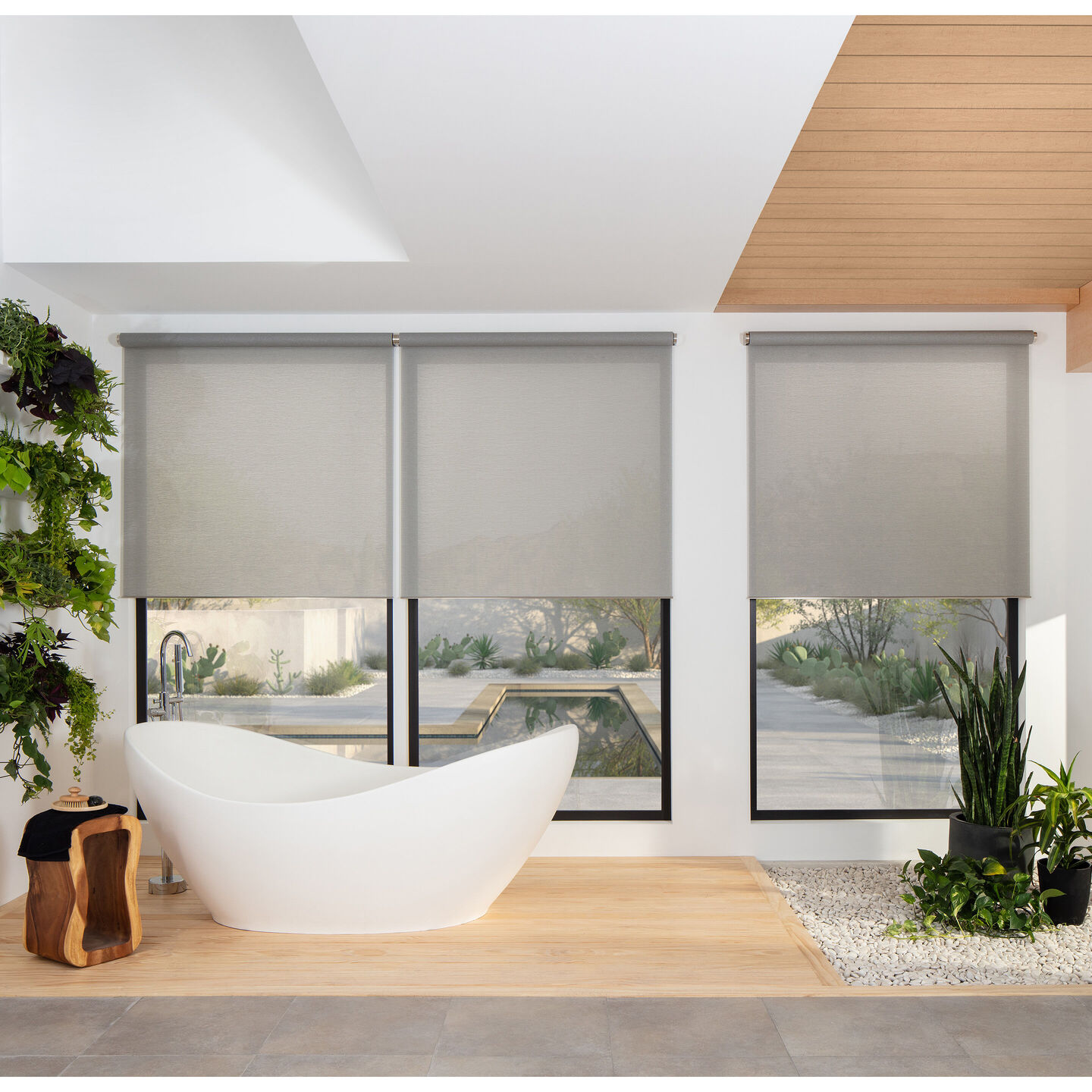
Sivoia is Lutron’s most expansive professional shading platform. Current Sivoia offerings cover roller shades, Roman fabrication, tensioned and cable-guided shades, wood blinds, horizontal sheer blinds and motorized drapery.
For roller shades, the family spans multiple drive sizes and architectural conditions, from compact systems for smaller windows to larger drives for substantial glazing. Current Lutron roller options include exposed rollers, metal fascia, fabric fascia and recessed pockets. Sivoia can also address specialty conditions such as skylights and angled glazing through tensioned systems.
For new construction, we often prefer to resolve Sivoia shade pockets and low-voltage power during design development. That allows the ceiling and window details to be drawn around the actual roller diameter, bracket clearances, hembar and service access instead of discovering after drywall that the pocket is too small.
The name “wireless” can be misleading because it may refer to communication rather than power. Sivoia QS can use wired control communication; Sivoia QS Wireless uses Lutron RF communication while many configurations still use low-voltage power.
This distinction is important on drawings. A shade can communicate wirelessly and still need a power cable. Regent5 identifies power method and communication method separately on the shade schedule so the electrical and low-voltage teams do not make assumptions from the product-family name.
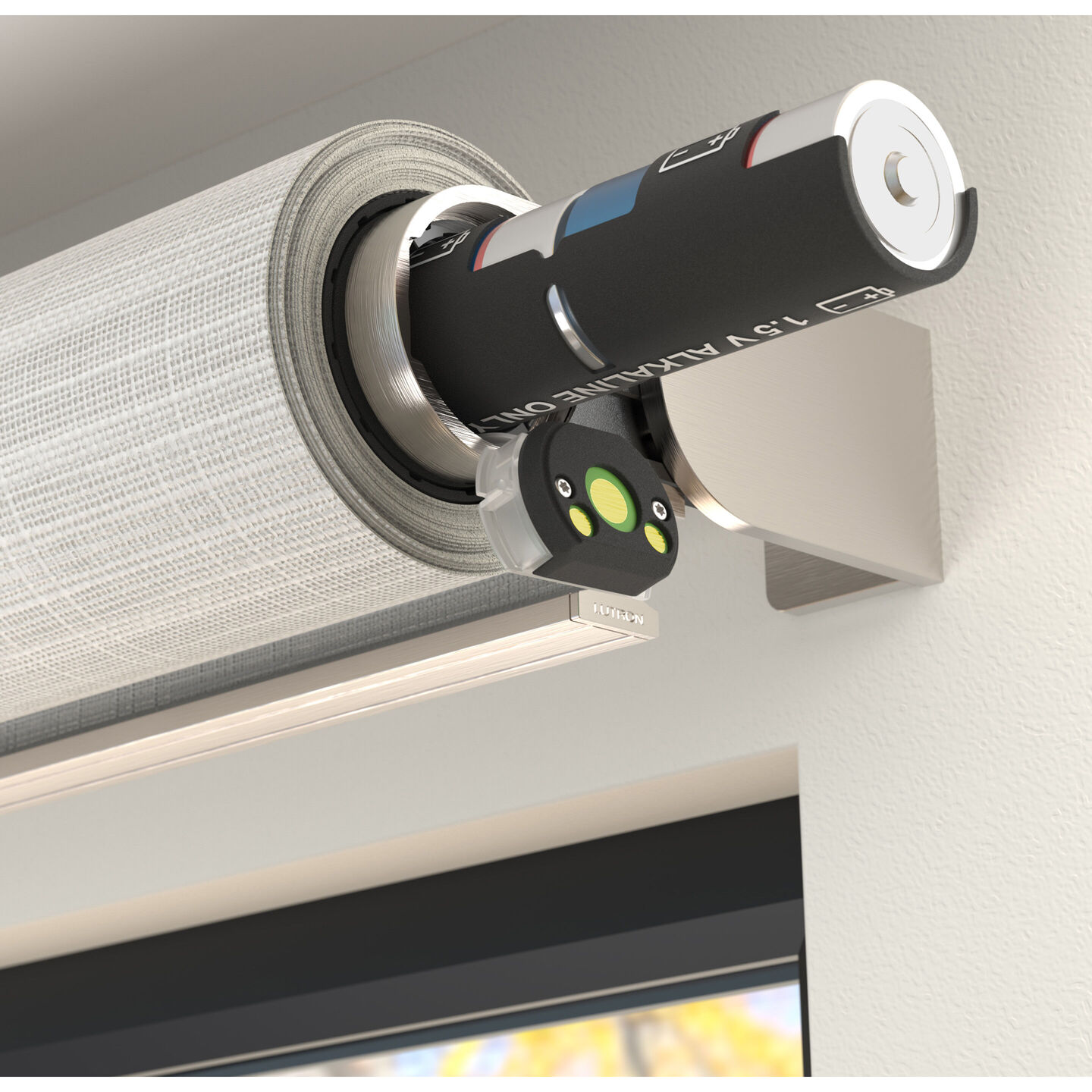
Triathlon is especially useful where a project wants professional Lutron shade integration with fewer construction requirements. Current Triathlon roller shades can be battery powered, low-voltage powered or supplied from an adapter depending on the configuration, while communication remains wireless.
That makes Triathlon a strong candidate for completed rooms, partial renovations and projects where cutting open plaster or finished millwork for shade power is not justified. It also offers top-treatment choices such as architectural fascia or fabric-wrapped fascia.
Triathlon is not simply a “budget Palladiom.” The aesthetic and application are different. Palladiom celebrates the exposed hardware; Triathlon is designed around practical, professional wire-free daylight control.
Serena is Lutron’s consumer-oriented smart-shade family and can be an appropriate choice for smaller, less integrated projects. Regent5’s architectural residential work more often centers on Palladiom, Sivoia and Triathlon because those families better match HomeWorks, RadioRA 3 and custom construction requirements.
The important point is to select the family around the project rather than assuming every Lutron shade belongs to the same system architecture.
Roller shades are the most common architectural solution because the fabric roll can be exposed, concealed by fascia or recessed into a ceiling pocket. Sheer/solar, privacy and blackout fabrics can create very different daylight experiences using the same basic mechanism.
Roman shades introduce a softer textile expression. Lutron’s current Sivoia platform includes a Roman fabrication approach that allows custom textile design while retaining motorized control.
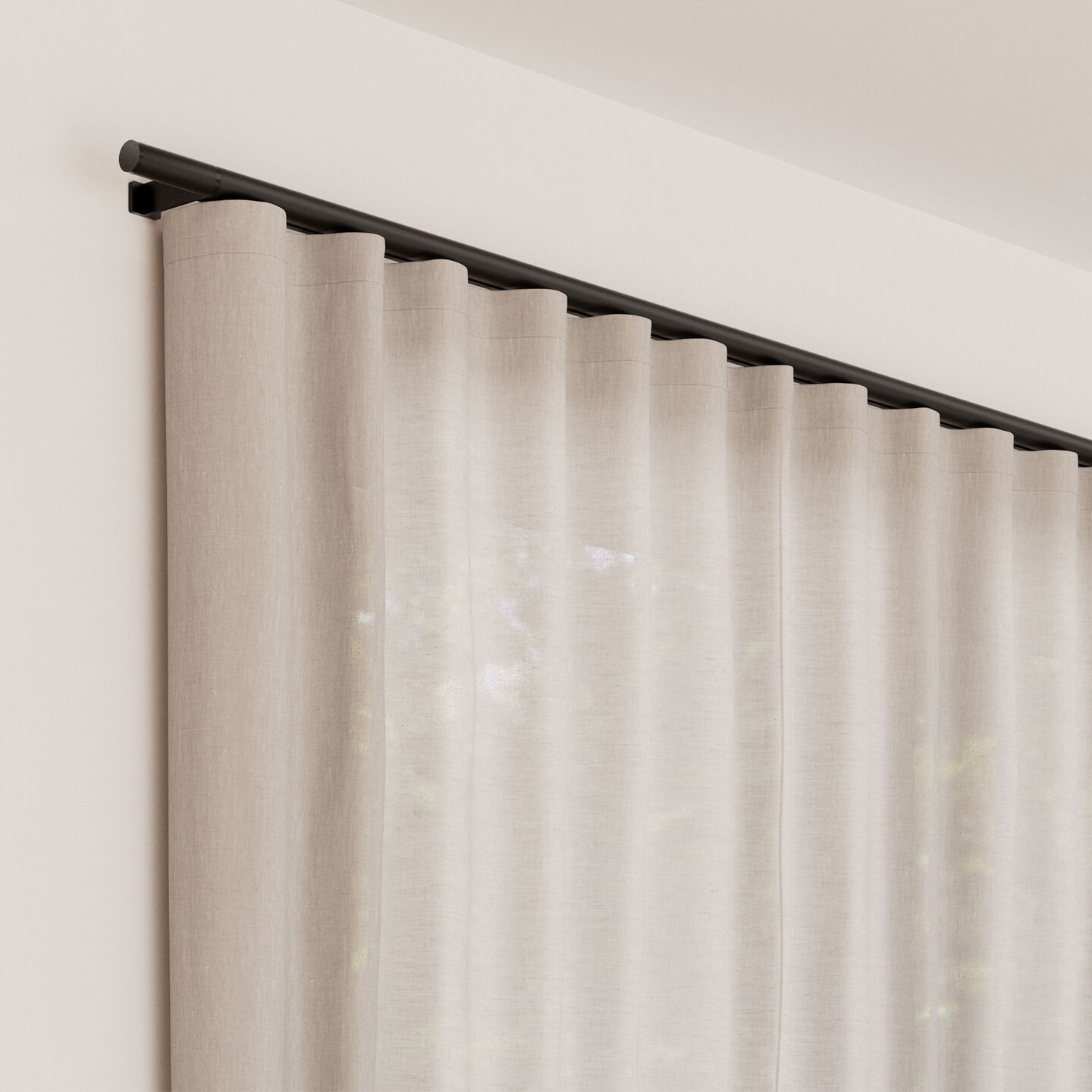
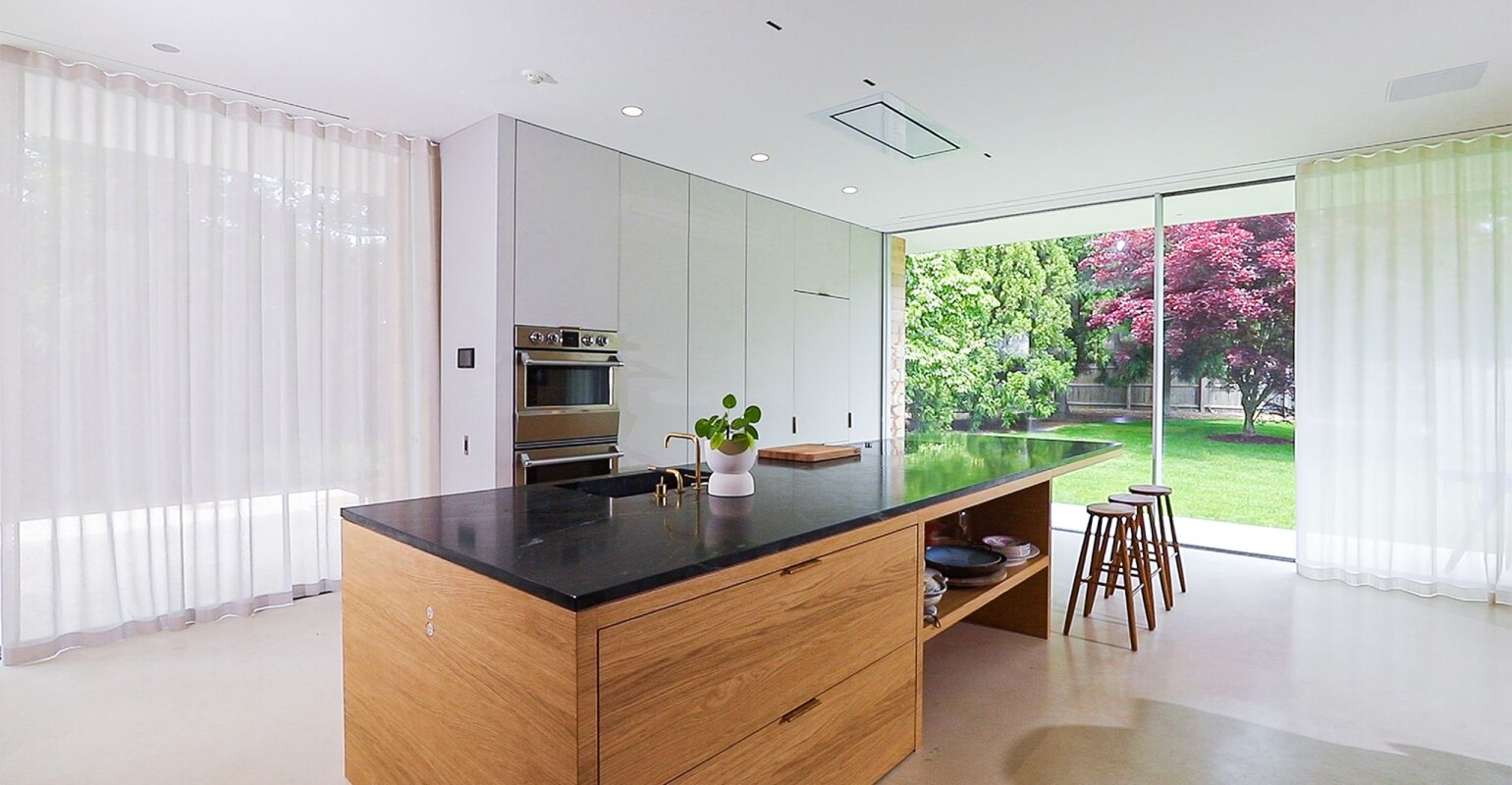
Drapery is valuable where the interior design calls for fullness, softness and a traditional curtain language. Lutron’s motorized drapery systems can be integrated into the same lighting/shading scenes as roller shades.
Tensioned and cable-guided shades address conditions such as skylights, angled windows and other applications where gravity alone cannot keep the fabric where the architecture needs it.
A recessed shade looks simple because the difficult work is hidden. Behind the slot are the roller, drive, brackets, wiring, fabric clearance, hembar and a way to service the equipment later.
Pocket dimensions should come from the actual shade model and fabric roll, not a generic reflected-ceiling detail. Large windows require larger rollers. Dual shades need more depth. Blackout side channels may change the jamb. Some shades can be coupled; others need independent drives.
On new construction, Regent5 coordinates these dimensions through our preconstruction and low-voltage engineering process so the architect, builder, electrician and shade installer are working from one detail.
The motor does not determine whether a room feels bright, private or protected from glare. The textile does. Lutron’s current fabric categories include sheer/solar, privacy and blackout options, with hundreds of designer fabrics across the professional lines.
For solar fabrics, openness is one of the most important variables. A tighter weave generally reduces light and glare more aggressively but gives up some view. A more open weave preserves the view and admits more daylight. Fabric color changes the visual result again.
Our solar-shade fabric guide explains openness, glare, view and privacy in more detail.
Both systems can control compatible Lutron motorized shades, but the project architecture still matters. RadioRA 3 is often attractive for retrofit work using wireless controls and shades. HomeWorks offers the broadest residential Lutron architecture and is the natural foundation for projects combining architectural keypads, panelized lighting, Ketra/Rania Intelligent Lighting and complex shade schedules.
With either system, shades become much more useful when they participate in scenes. A Morning scene may raise selected shades and establish daytime lighting. A Video Call scene can lower a glare-producing shade. Entertain can balance privacy with a view. Goodnight can close selected treatments throughout the home.
The homeowner should not have to operate twenty-three shades individually just because twenty-three motors exist.
Lutron’s current residential systems can use location-aware control to adjust compatible shades as the sun changes position. The design goal is to manage glare and solar exposure while retaining useful daylight and views where possible.
Automation should still follow the architecture. A west-facing glass wall may need a very different afternoon strategy from a north-facing window. Artwork, television locations, room use and privacy conditions all affect the schedule.
Regent5 designs, supplies, installs and integrates Lutron motorized shades with lighting and home-control systems throughout the San Francisco Bay Area and Northern California, including San Francisco, Atherton, Woodside, Hillsborough, Palo Alto, Los Altos Hills, Portola Valley, Menlo Park, San Jose, Saratoga, Los Gatos, Marin, Napa and Sonoma, and Carmel and Pebble Beach.
Select project coverage extends through Santa Barbara, Los Angeles and Orange County.
If your project is still in design, the best time to review shades is before the ceiling pockets, wiring and window details are finalized. Contact Regent5 for a motorized-shade design review.
Lutron residential window treatments
Lutron Palladiom
Lutron Sivoia
Lutron residential shade product selection
Shade size, fabric, drive, power and control-system compatibility vary by model and project condition. Confirm current Lutron submittals before final specification.


.svg)

© 2024 Regent5, LLC. CSLB C10 & C7 License 1033103.